Interactive Demo vs Video Demo: Which Wins in 2026?

Published: 19th june 2026
The debate between interactive demo vs video demo is not new. But in 2026, the stakes are much higher. B2B buyers are more independent than ever. They research on their own, form opinions before talking to sales, and expect to experience a product before booking a call.
If your demo format does not match how buyers want to buy, you lose deals before the conversation even starts.
So which is better? An interactive demo or a video demo? The short answer is that it depends on where your buyer is in the funnel. The long answer is what this post is all about.
What Is an Interactive Demo?
An interactive demo is a clickable, self-guided product experience. Prospects navigate the product interface on their own, without a live sales rep guiding them. There are no setup requirements, no account logins, and no waiting.
In 2026, interactive demos come in two main forms.
HTML/DOM Captures replicate the actual front-end code of a product. They feel and behave like the real thing because they essentially are. Users can hover, click, and interact with a near-live version of the software.
Screenshot-Based Tours use a sequence of product screenshots with overlaid guide elements. They are faster to build and easier to maintain, which makes them a popular starting point for most product marketing teams.
Both formats let prospects explore at their own pace. This matters because modern buyers want to qualify your product before they talk to anyone on your team. Giving them that freedom builds trust faster than any sales pitch could.
What Is a Video Demo?
A video demo is a linear, recorded presentation of a software product. The viewer watches. They do not click, navigate, or explore. This is a passive format by design.
That said, video demos have evolved well beyond screen recordings. There are now two distinct types worth knowing about.
Async Screen Share videos, made with tools like Loom or Vidyard, are quick screen-and-camera recordings. Sales reps use them for follow-ups, proposal walkthroughs, and post-meeting recaps.
AI-Personalized Video Demos are the newer, higher-impact category. Platforms like Puppydog.io generate customized product video playlists at scale. The technology uses screen recordings or screenshots of your product and transforms them into narrated, personalized video sequences. Your prospect's company name, logo, and website can be layered in dynamically, all without re-recording.
Video demos cannot match the hands-on depth of interactive tours. But they are unmatched for attention-grabbing storytelling, fast outbound outreach, and visual personalization at scale.
Interactive Demo vs Video Demo: Full Comparison Table
Here is how the two formats stack up across every dimension that matters to product marketers, AEs, and demand gen teams.
The numbers tell a clear story. Interactive demos convert better at the bottom of the funnel. Video demos work harder at the top. Neither format dominates across the full buyer journey on its own.
When to Use an Interactive Demo
For Inbound Website Conversion
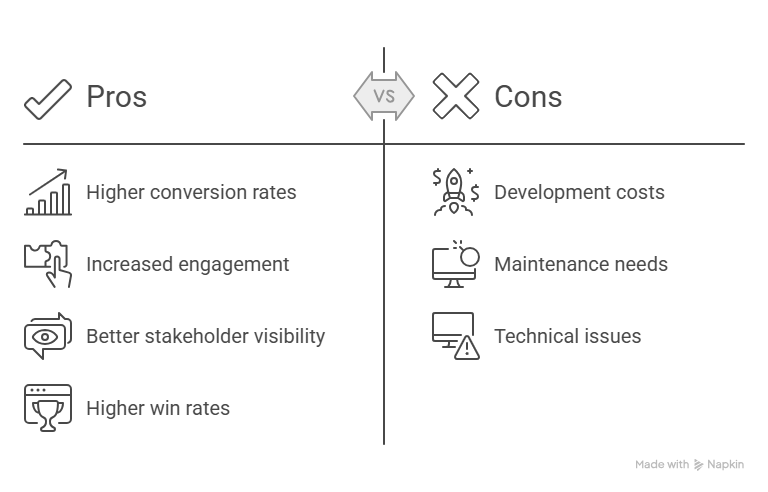
Let's be honest: most B2B websites still hide their product behind a "Book a Demo" form. That friction costs you leads. Buyers who land on your site want to see the product now, not in three days after a scheduling email chain.
Placing an ungated interactive tour directly on your product page removes that wall. The data backs this up clearly. Website visitors who engage with an interactive product tour convert at 24.35%, compared to a 3.05% baseline for visitors who see no demo at all. That is nearly eight times better conversion from the same traffic.
Structure also matters here. Multi-flow interactive demos with branching paths achieve a 57% completion rate. Single-flow demos? Just 35%. Giving prospects choices keeps them engaged longer and increases the chances they find their own "aha" moment.
For deeper context on how this drives revenue, read our post on interactive demos revenue.
For Complex Enterprise Deals
Buying committees in 2026 average nearly 12 stakeholders. Sales reps rarely get face time with all of them. Interactive demos solve this by becoming a shareable, self-service resource that internal champions can forward to procurement, security, and finance teams.
Platforms like Consensus and Arcade now include collaborative "buyer boards" that track how multiple stakeholders engage with a demo. This gives AEs visibility into who is interested, what features they care about, and which objections to prepare for before the next call.
The win rate data is compelling too. Interactive demos sent within the first 14 days of deal creation produce a 72% win rate. Deals without any early demo touch average just 59%.
When to Use a Video Demo
For High-Volume Cold Outbound
Cold outreach is hard. Generic emails get ignored. But a short, personalized video that shows a prospect their own website in the background? That gets opened.
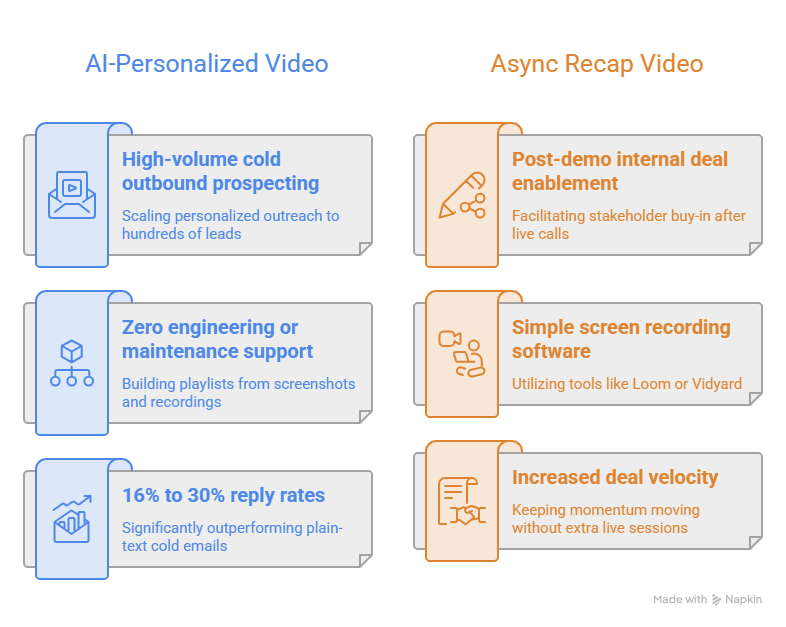
AI-personalized video demos, like those created with Puppydog.io, let SDRs record a single base video and automatically generate hundreds of unique versions. Each version looks tailored to the specific prospect: their name, their company, their website, all woven into the video background without manual editing.
The reply rate difference is stark. Plain-text cold emails average a 3.43% reply rate. AI-personalized video demos achieve 16% to 30%. For a team sending 200 personalized videos per month at a platform cost of around $39, that works out to roughly $0.85 per reply. The ROI is hard to argue with.
This is where PuppyDog.io's approach to AI video creation stands out. Instead of cloning complex product code, it uses screenshots and screen recordings to build narrated, personalized video playlists in minutes. There is no technical setup, no maintenance treadmill, and no engineering support needed.
For Product Launches and Feature Hype
When you are launching a new feature or product, the goal is not depth. It is attention. Short-form video outperforms every other format at this stage. On LinkedIn, video sponsored content drives a 1.6% engagement rate compared to 0.5% for non-video content.
A well-crafted narrative video lets you control the story, highlight the right value props, and direct viewers to a clear call to action. For this kind of top-of-funnel storytelling, a polished video demo will always outperform a clickable tour.
For Async Post-Demo Follow-Ups
After a live call, buyers often need to sell your product internally. They share it with a manager, a procurement lead, or a CFO who was not on the call. A quick async video recap made with Loom or Vidyard gives them a shareable asset that keeps the deal moving without requiring another live session.
This is the how-to vs demo use case in action: the how-to explains workflows, while the demo drives the decision. Both have a role to play post-call.
The Hybrid Approach:
Here is the thing: the most effective GTM teams in 2026 do not choose between interactive demos and video demos. They use both, in sequence.
The workflow looks something like this.
At the top of the funnel, an AI-personalized video demo from PuppyDog.io goes out as the cold outreach hook. It is low-friction, visually personalized, and designed to get a reply. No clicking required. The prospect just watches.
Once that reply comes in and the prospect lands on your website or a landing page, an ungated interactive demo takes over. Now they can explore the product at their own pace, find the features relevant to them, and build confidence before speaking to sales.
For late-stage enterprise deals, a high-fidelity sandbox or a technical proof of concept closes the loop. Prospects get to test real workflows before signing.
Each format does what it does best. The AI-personalized video from PuppyDog.io opens the door. The interactive demo earns trust. The sandbox closes the deal.
This is not just a nice idea. It reflects how modern buyers actually move through a purchase. According to Gartner, 67% of B2B buyers prefer a rep-free experience, which means they need self-service options at every stage, not just at the top.
To understand how interactive demos fit into the full revenue picture, check out our breakdown of interactive demo tools.
Best Tools: Interactive Demo vs Video Demo
Interactive Product Tours
Storylane supports screenshot, video, and HTML captures in one platform. Its built-in AI assistant handles voiceover generation and localization. Pricing starts at $40 per month.
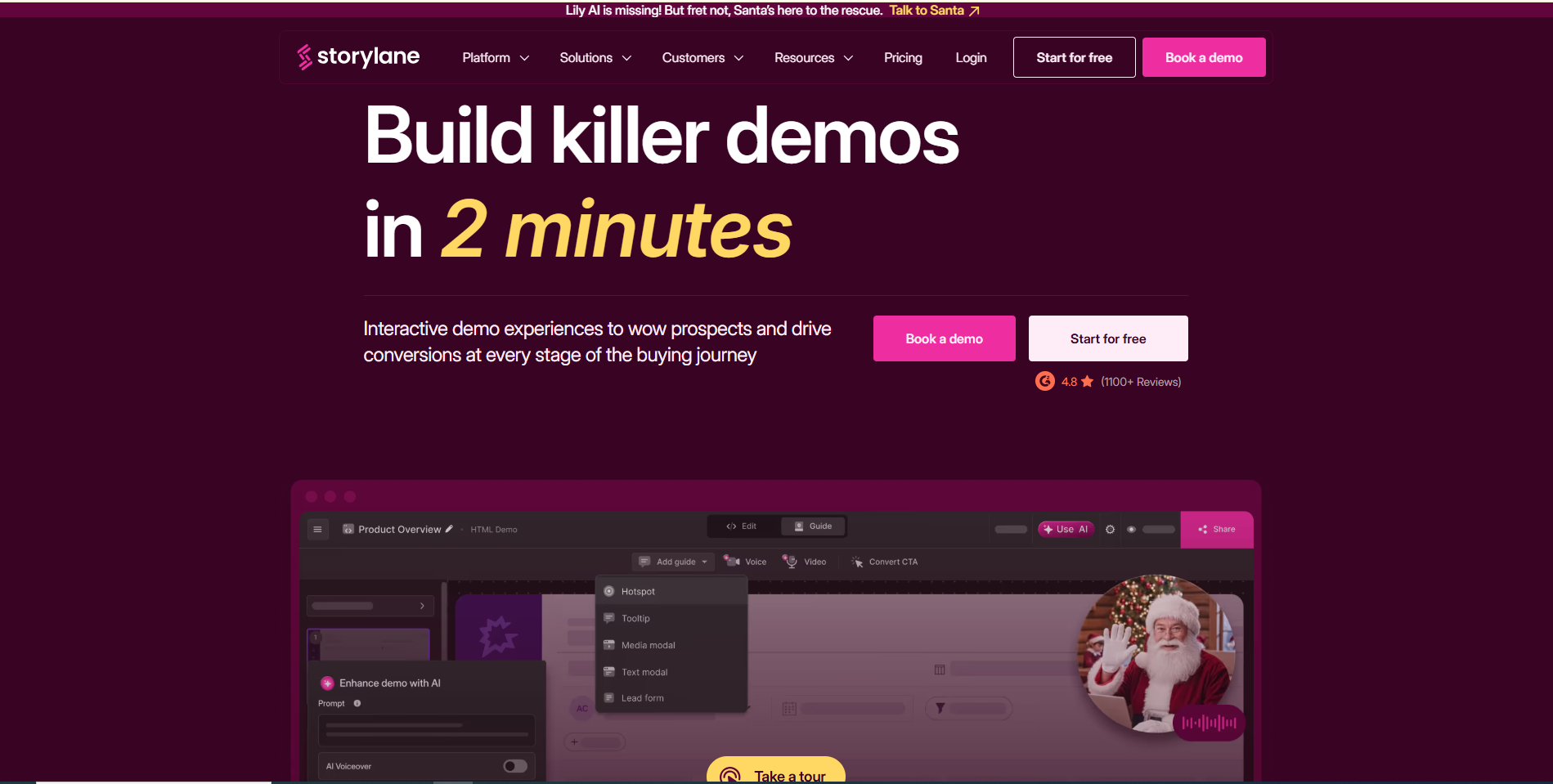
Navattic is the standard for top-of-funnel HTML captures. It includes account deanonymization, so teams can see which companies are viewing their demos even without a form fill. Starts at $600 per month.
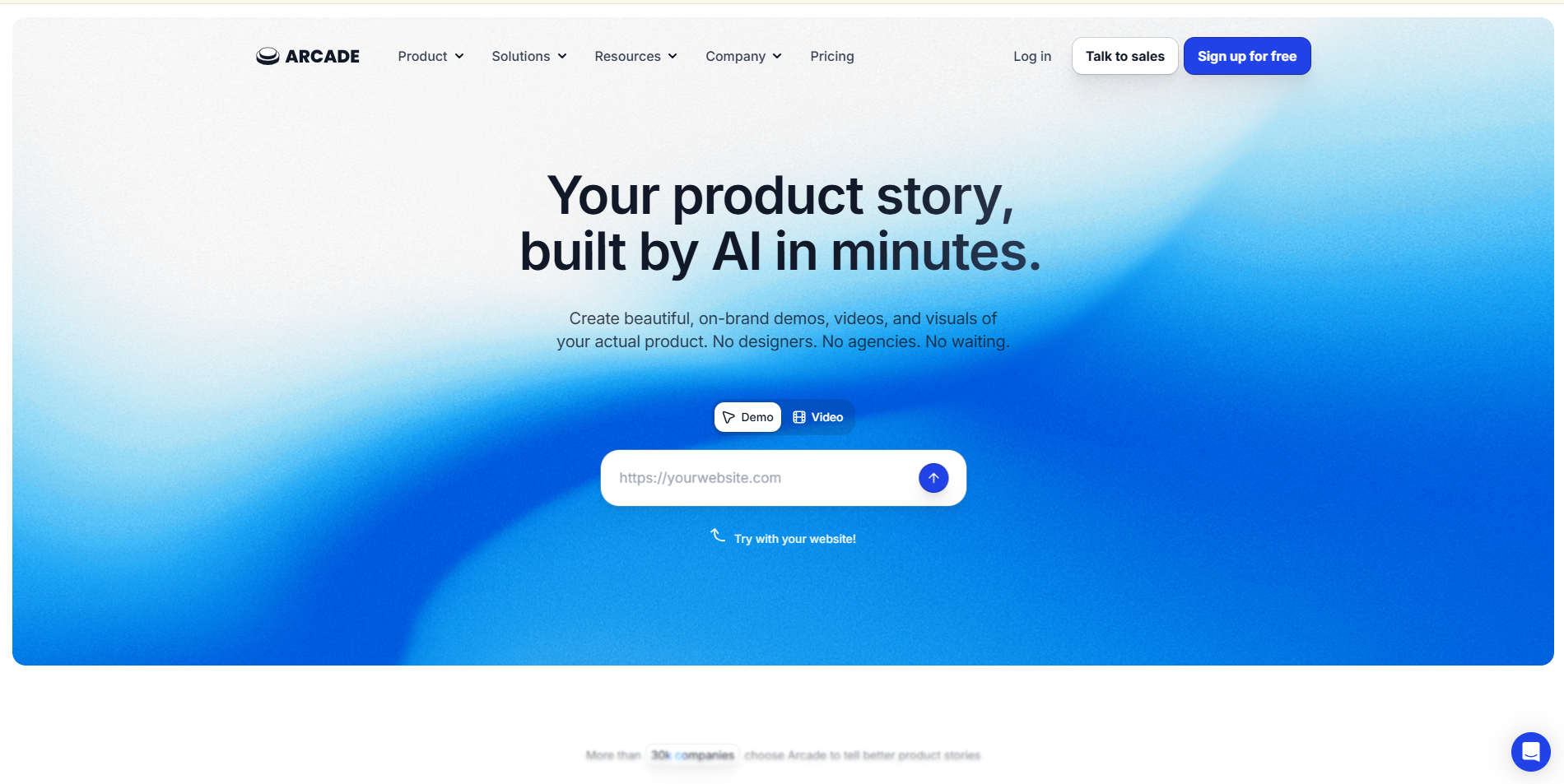
Arcade is the tool of choice for PLG teams that want beautiful, cinematic guided tours with smooth transitions and voiceovers. Has a free tier.
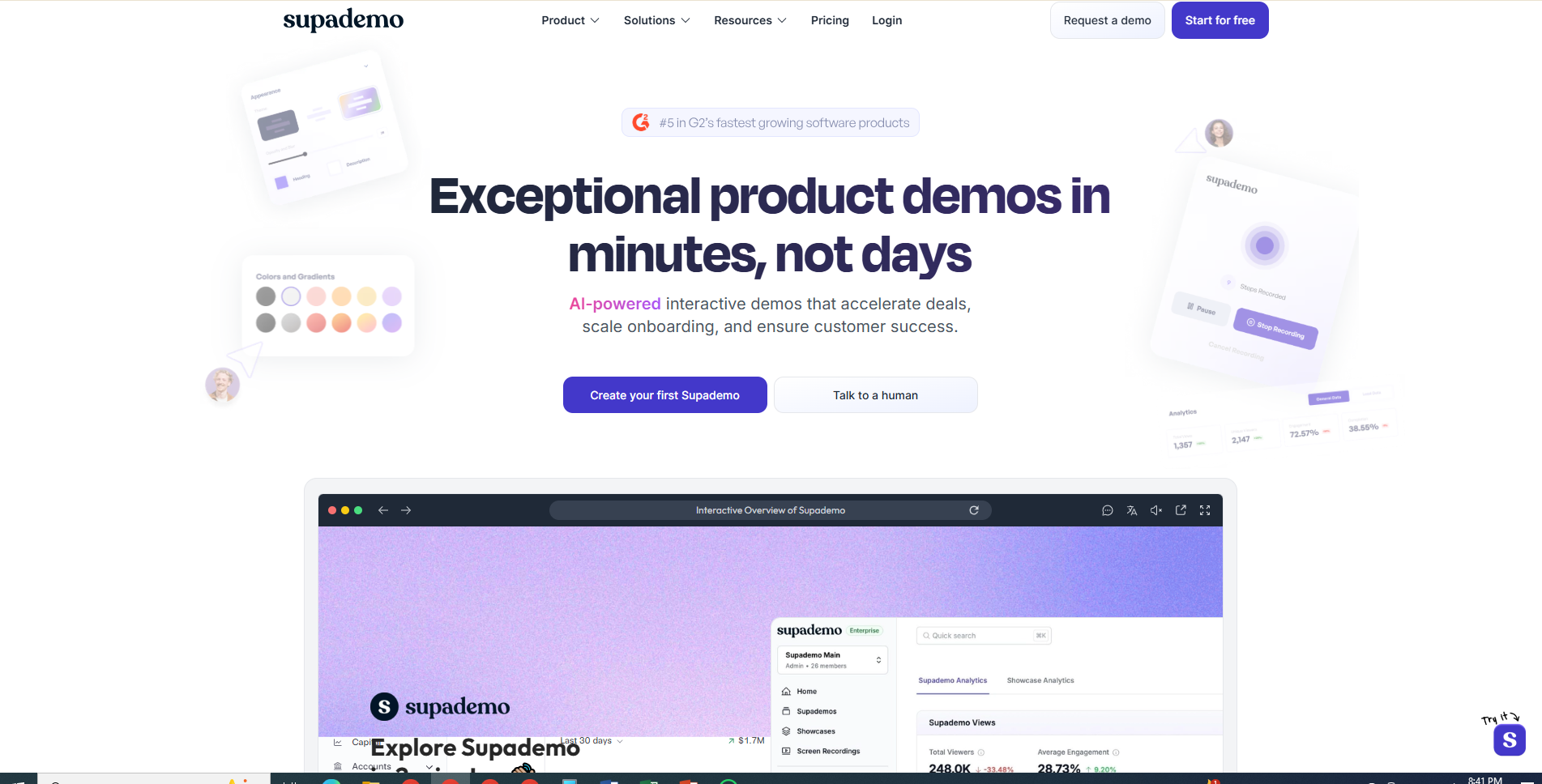
Supademo automates the capture process end to end: it segments steps, writes guide text, and adds branded callouts automatically. Starts at $38 per creator per month.
For a deeper look at the options, see our full roundup of interactive demo tools.
AI-Personalized Video and Async
PuppyDog.io is built for outbound sales teams and ABM campaigns. It converts screen recordings and screenshots into narrated, personalized video playlists in minutes. Teams can update individual sections without re-recording the entire video. Starting at $99 per month.
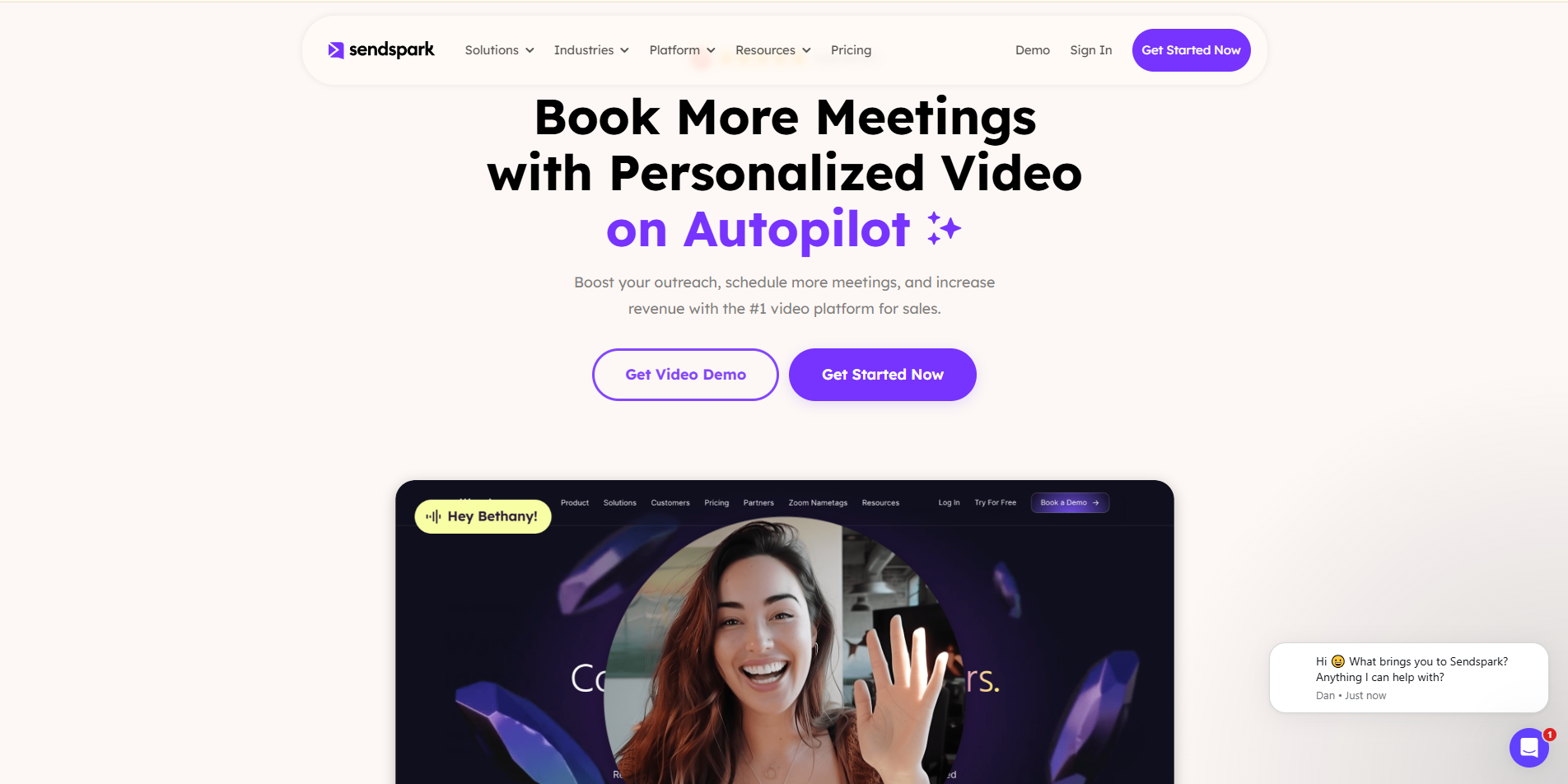
Sendspark lets reps record once and personalize for thousands. It clones the sender's voice to dynamically say each prospect's name and overlays their company website in the background. Pricing starts at $49 per seat per month.
Loom is the go-to tool for fast async recaps. No learning curve, no setup. Great for post-demo follow-ups and internal walkthroughs. Starts at $15 per user per month.

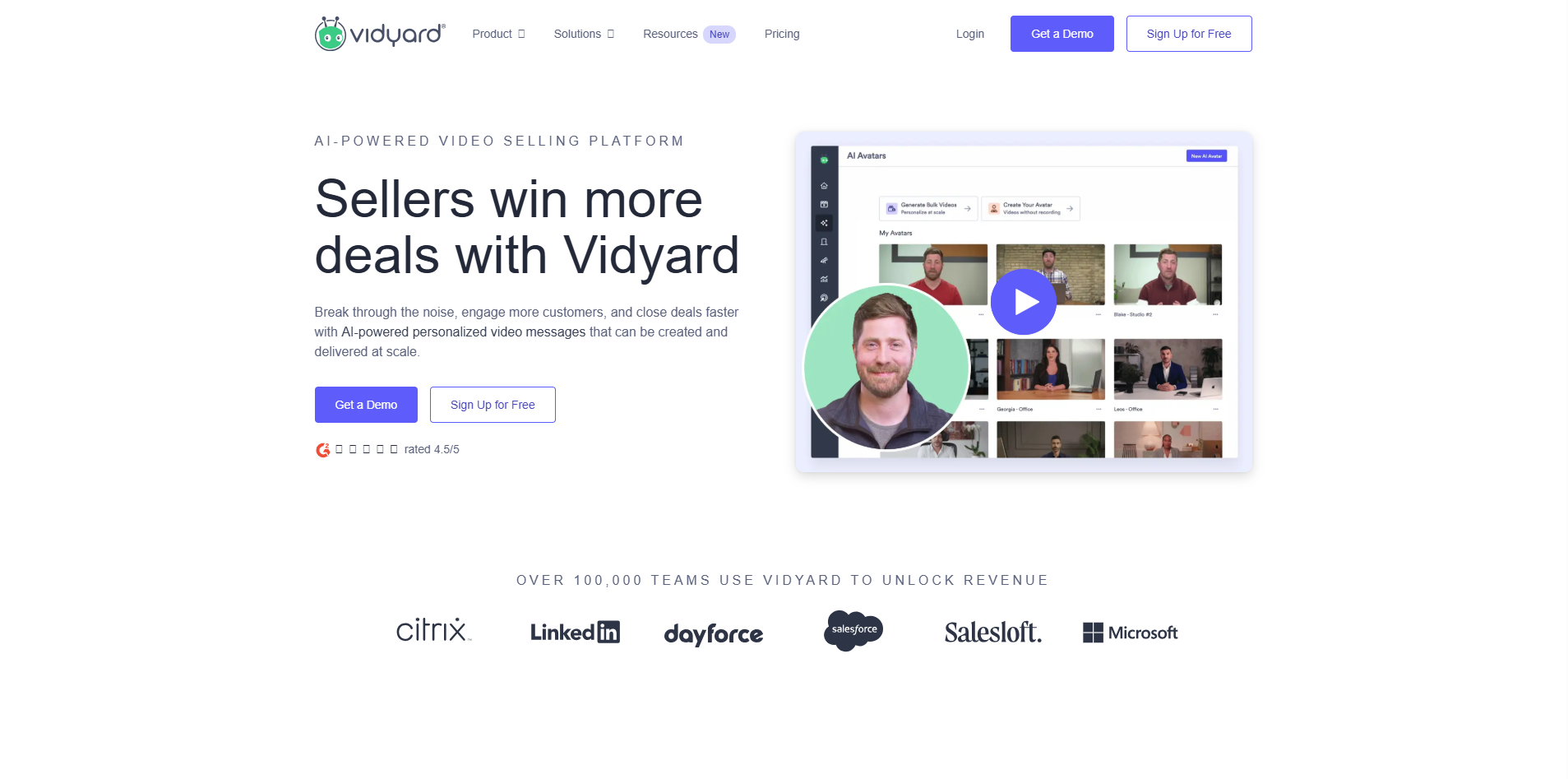
Vidyard integrates directly into Salesforce and HubSpot, making it a strong choice for enterprise sales teams that need video analytics inside their CRM.
FAQs
What is the main difference between an interactive demo and a video demo?
An interactive demo lets prospects click through and explore the product on their own. A video demo is a linear, passive viewing experience. Interactive demos create higher engagement and better bottom-of-funnel conversion. Video demos work better for outbound outreach and top-of-funnel awareness.
Which converts better: interactive demos or video demos?
Interactive demos convert at a higher rate at the bottom of the funnel, with an average demo-to-close rate of 38% compared to 18% for a generic screen share. Video demos outperform at the top of the funnel, where reply rates of 16% to 30% are achievable with AI personalization.
How long does it take to build an interactive demo vs a video demo?
A screenshot-based interactive demo can be built in under an hour. Enterprise sandbox demos can take four or more weeks. AI-personalized video demos can be produced in minutes using platforms like PuppyDog.io.
What is the cost difference between interactive and video demos?
Interactive demo tools start at around $480 per year for entry-level plans and go up to $100,000 or more for enterprise-grade environments. Video demo tools like PuppyDog.io start at $99 per month. Async tools like Loom start at $15 per user per month.
Can I use both interactive and video demos together?
Yes, and this is what the best teams do. AI-personalized video demos work best for cold outbound at the top of the funnel. Interactive demos take over mid-funnel for self-guided product exploration. The hybrid approach consistently outperforms using either format alone.
When should a product marketer use a video demo instead of an interactive tour?
Use a video demo for product launches, social media campaigns, cold email sequences, and post-call async follow-ups. Use an interactive tour for website conversion, mid-funnel nurturing, and enabling buying committees to self-evaluate.
Does Navattic or Vidyard rank better for interactive demo content?
Both tools have strong brand recognition. Navattic focuses on interactive tours for inbound marketing. Vidyard focuses on video for outbound and async sales. For a balanced comparison of both worlds in one GTM stack, PuppyDog.io bridges the gap with AI-personalized video that complements interactive tour strategies.
What is the average demo-to-close rate for B2B SaaS in 2026?
The median B2B SaaS demo-to-close rate is 22% to 30%. Top-quartile teams hit 30% or above. Interactive demos push that number to 38% when used with proper qualification frameworks like MEDDIC.
Conclusion
The interactive demo vs video demo debate does not have a single winner. It has a right answer for each stage of the funnel.
Interactive demos earn higher engagement, longer time-on-product, and better close rates mid to bottom of funnel. Video demos, especially AI-personalized ones, open more doors at the top of the funnel with less friction and faster execution.
The teams winning in 2026 are not picking a side. They are building a hybrid workflow that sequences both formats in the right order for the right buyer at the right time.
If you are looking for a faster way to create personalized video demos without the complexity of traditional screen recordings, PuppyDog.io turns your product screenshots into narrated, personalized video playlists in minutes. No engineering support. No maintenance treadmill. Just demos that feel personal at scale.
Start your free trial and see how AI-personalized video fits into your demo strategy.

Sarah Thompson is a storyteller at heart and Business Developer at PuppyDog.io. She’s passionate about creating meaningful content that connects people with ideas, especially where technology and creativity meet.